


How Living in Japan Can Help You Improve Your Japanese Faster
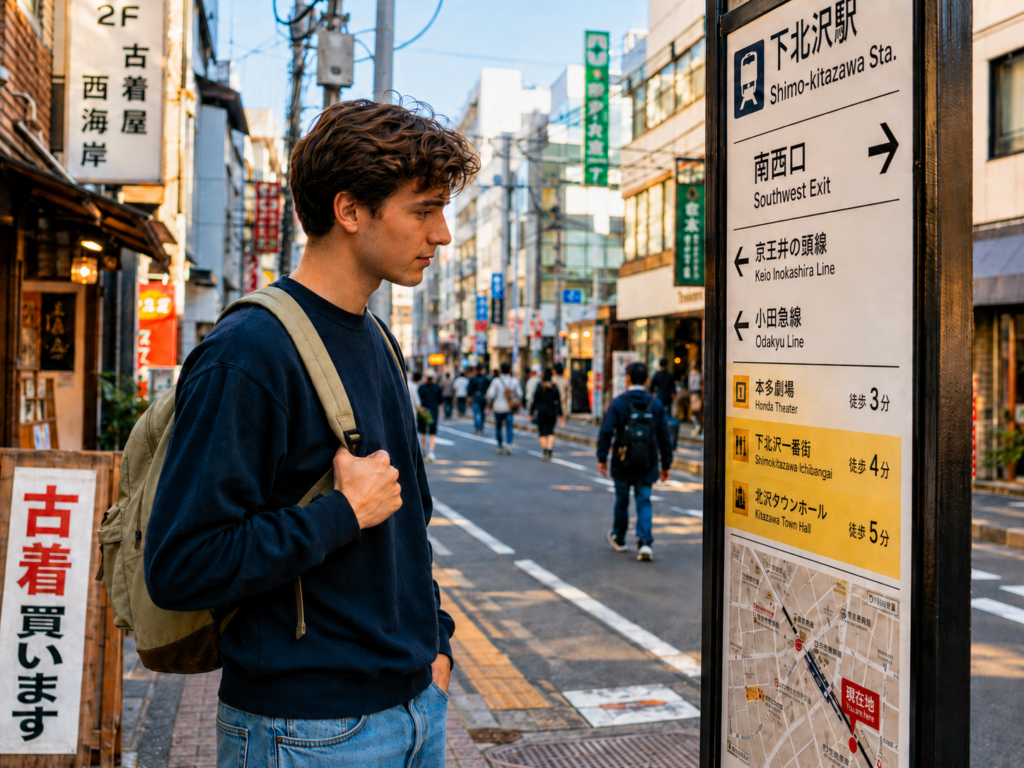
One day, you realize you understood the train announcement without translating it in your head. Or maybe you order lunch in Japanese without rehearsing first. Small moments like these are part of why many students improve their Japanese faster while living in Japan.
Studying Japanese at home can take you far. But living in Japan turns the language into part of your everyday life, not just something you study during class.
Instead of seeing Japanese only in a textbook, you start using it when you buy lunch, ride the train, read signs, or talk with people around you. That steady, real-world exposure can strengthen listening, vocabulary, reading confidence, and speaking ability.
Daily life becomes language practice
One of the biggest benefits of living in Japan is constant input. You hear natural Japanese throughout the day, even when you are not actively studying. Over time, that can help you recognize common phrases, follow the rhythm and intonation more easily, and get used to how Japanese works in real situations.
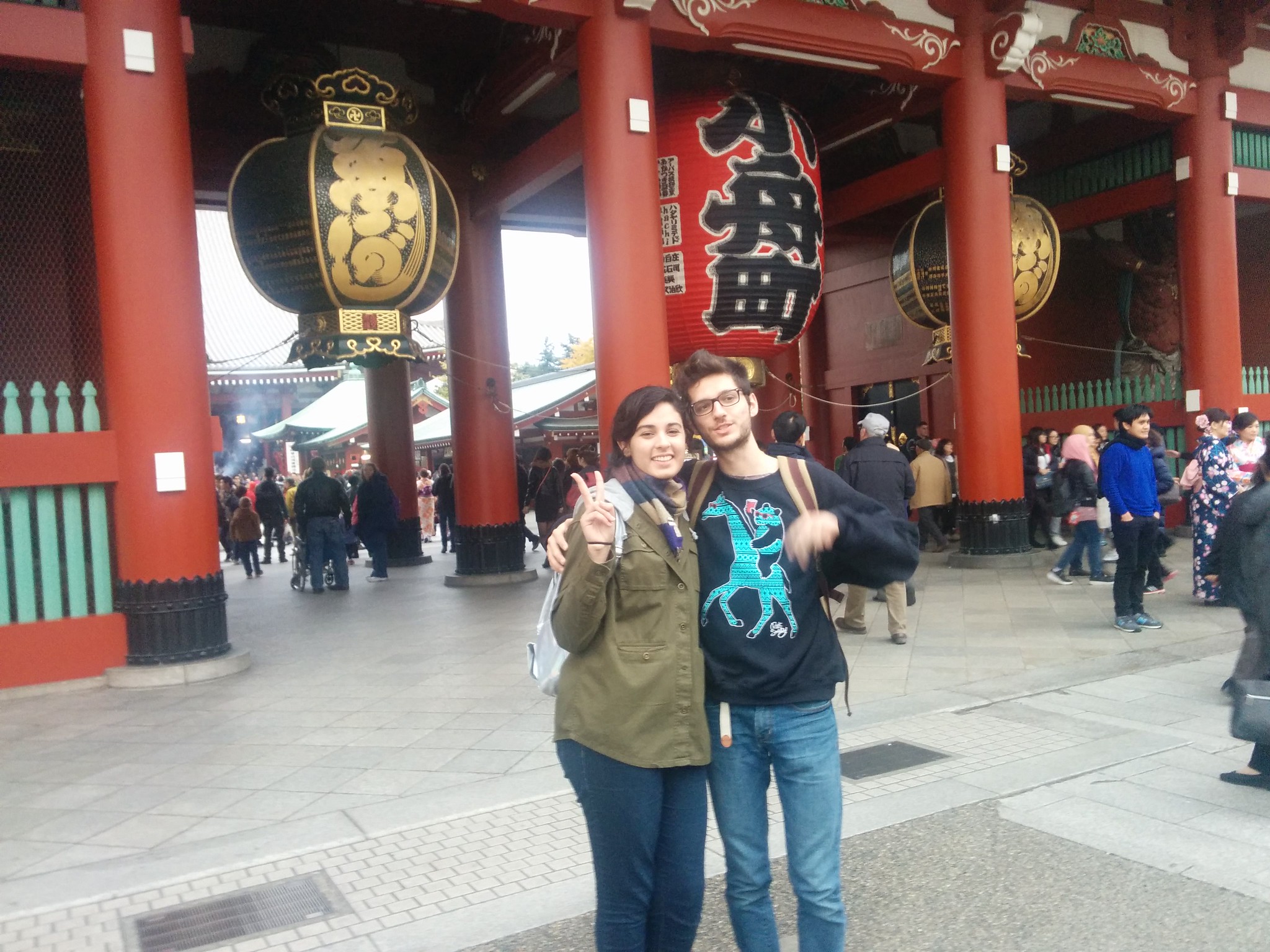
KCP students visit Sensoji in Asakusa while experiencing Japanese language and culture firsthand.
You use Japanese for real purposes
In Japan, communication has a purpose. You ask for directions, solve small problems, order meals, and handle daily tasks in Japanese. Those experiences can feel more memorable and rewarding than repeating scripted classroom dialogues. Even short conversations can help Japanese feel more natural and less intimidating.
You notice your weak points sooner
Immersion quickly shows you what you still need to work on. Maybe you know the grammar but cannot catch it at natural speed. Maybe your reading is stronger than your speaking. That kind of feedback can help you study more efficiently.
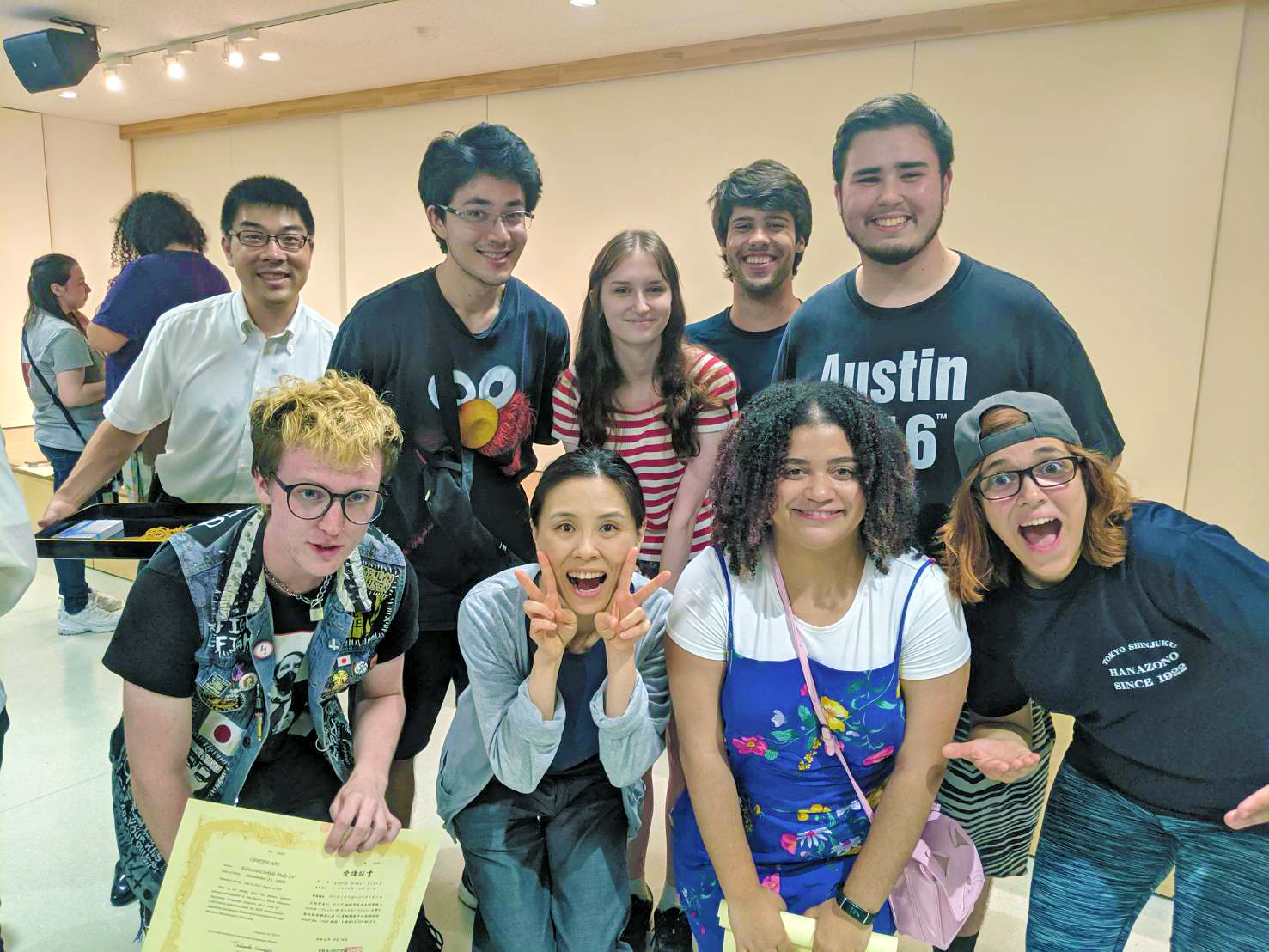
At KCP, students strengthen their Japanese through focused language instruction.
Why this matters for study abroad in Japan
The strongest study-abroad experiences combine structured learning with everyday immersion. KCP International describes its Tokyo program as a full Japanese immersion experience, and its language classes use the Direct Method. KCP also offers flexible term options and academic-credit pathways. Depending on your school, credit may be documented through a KCP grade report or a sponsor-university transcript, so students should confirm transferability with their home institution.
Students exploring study abroad in Japan can learn more on KCP’s Learn Japanese in Tokyo, Academics, Academic Credit, and Schedule pages.
When Japanese starts to feel real
Living in Japan does not make Japanese easy. But it can make your learning more active, more focused, and more connected to real life. The more Japanese becomes part of your everyday routine, the more your confidence can grow — both inside and outside the classroom.