



How to Use Your Smartphone in Japan: SIM Cards, eSIMs, and Staying Connected
Arriving in Japan for the first time can feel stressful — especially if you are worried about staying connected.
After landing, many students immediately need internet access for things like:
- contacting family
- checking directions
- accessing school information
- navigating trains
- finding their accommodation
The good news is that setting up mobile service in Japan is usually much easier than many students expect.
Today, international students can choose from prepaid SIM cards, affordable mobile plans, and eSIM options that make getting connected much simpler than before.
First: Check Your Phone Before Leaving Home
Before coming to Japan, it helps to confirm a few important things about your phone.
Things to check:
- Is your phone unlocked?
- Does your phone support eSIM?
- Does your carrier allow international use?
Some U.S. phones are still carrier-locked, which can prevent Japanese SIM cards from working properly. Checking this before departure can save a lot of stress later.
Choosing the Best Option for Your Stay
The best mobile setup often depends on how long you plan to stay in Japan.
Short-Term Students
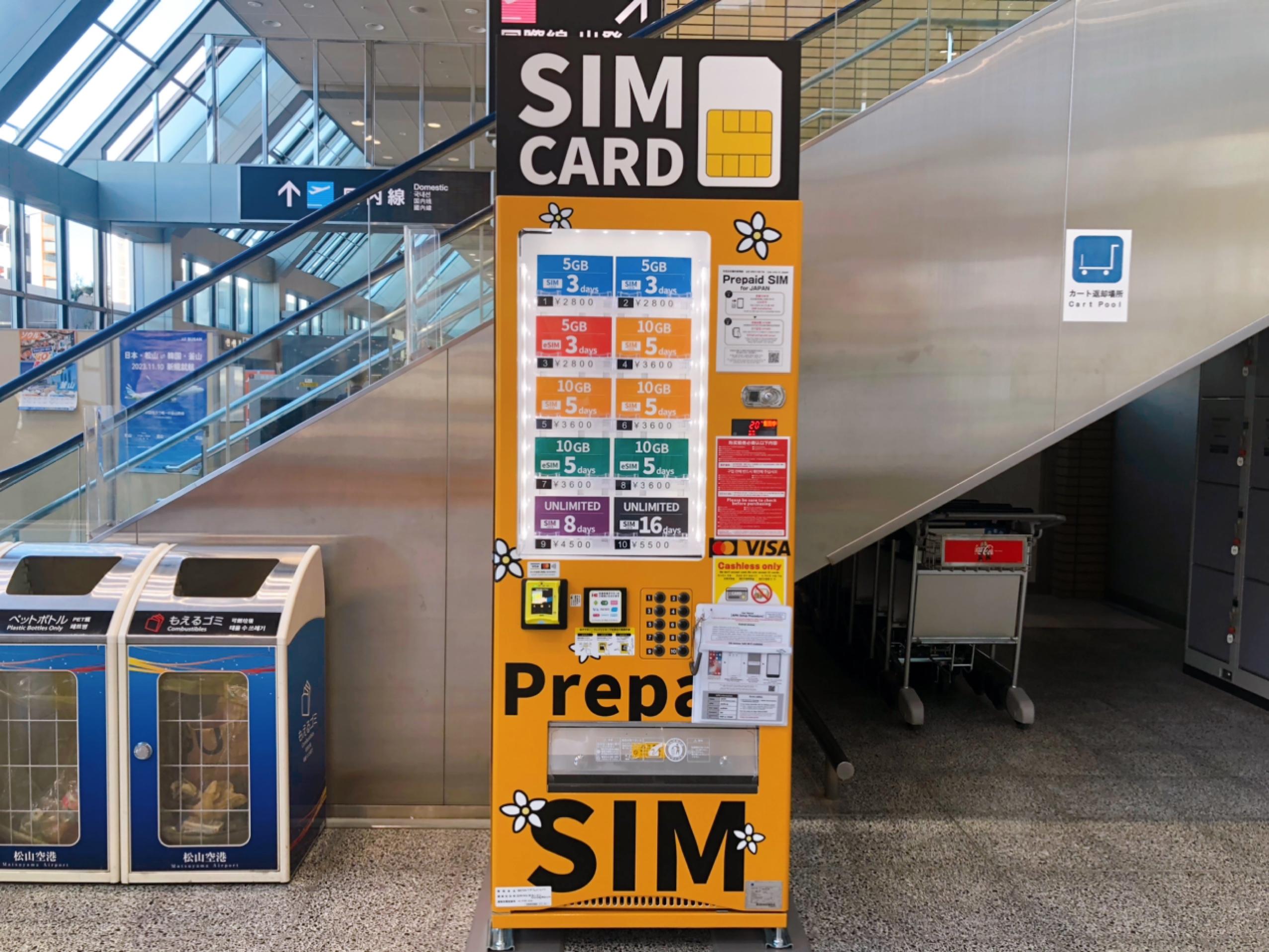
For students staying only a few weeks or months, prepaid SIM cards are often the simplest choice.
These SIM cards can sometimes be purchased:
- at Japanese airports
- online before arrival
- at electronics stores in Japan
Many companies now provide English instructions, making setup easier even for first-time visitors.
Long-Term Students
Students staying for a semester or longer often switch to budget-friendly Japanese mobile plans.
Compared to major carriers, these plans are usually more affordable and flexible. Some companies even allow online applications and English-language support.
eSIMs Are Making Arrival Easier
Many newer smartphones now support eSIM technology, which allows users to activate mobile service digitally without inserting a physical SIM card.
For study abroad students, this can be especially convenient because some eSIM plans can be activated before arriving in Japan.
Having internet access immediately after landing can make the first day feel much less overwhelming.
Free Wi-Fi Is Common in Japan
Another reassuring thing for international students is that free Wi-Fi is available in many places throughout Japan.
You can often find free Wi-Fi at:
- cafés
- airports
- some train stations
- shopping centers
- university campuses
Because of this, some students start with smaller data plans to save money at first.
Still, reliable mobile data becomes very helpful while commuting, traveling, or exploring new areas around Tokyo.

Staying Connected Makes Daily Life Easier
For many students, smartphones quickly become an essential part of daily life in Japan.
Whether commuting to school, meeting friends, or adjusting to a new city, staying connected helps reduce stress and build confidence during the first few weeks abroad.
Many international students are surprised by how quickly they adapt once they have reliable internet access and a working phone plan.
Preparing your smartphone setup before arriving in Japan can make your transition smoother — and give you more time to enjoy the experience of living abroad.